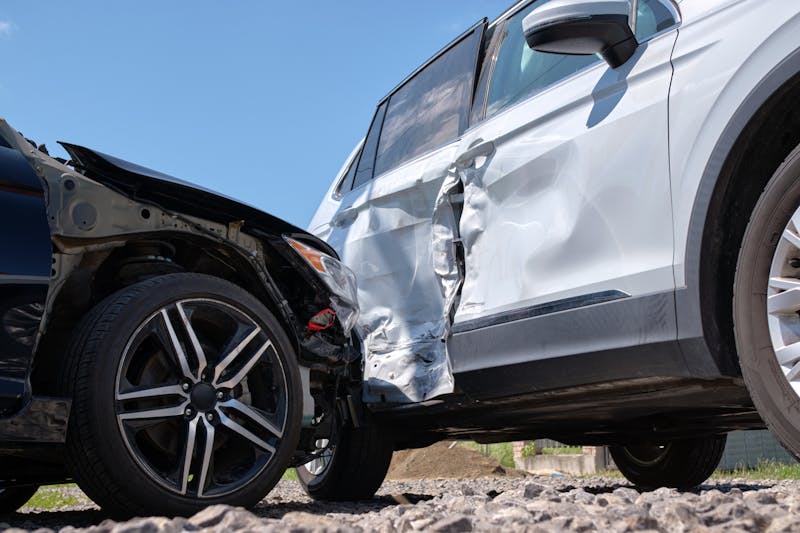
Car accidents are stressful enough without the added frustration of another driver being dishonest about what happened. Unfortunately, it is not uncommon for at-fault drivers to lie to avoid higher insurance premiums, protect their driving record, or escape legal responsibility. When that happens, the truth can be the deciding factor between a fair recovery and an unfair denial of your claim.
Why Drivers Lie After an Accident
After a crash, some drivers panic. They may change their story, deny fault, or even claim you caused the collision. These lies can take several forms:
- Denying fault entirely (“You hit me.”)
- Downplaying their actions (“I barely tapped the brakes.”)
- Lying about injuries or damages
- Providing false information, such as fake contact or insurance details
Whatever the motive, these lies can complicate your insurance claim and make it harder to prove who was truly responsible.
Steps to Take Right Away
The best protection against false statements is strong evidence. If you suspect the other driver may lie or already has, take these steps immediately:
Call the police and get an official report.
Never skip this step. A police report provides an objective record of the scene, statements, and evidence. Officers may also note inconsistencies in the other driver’s story.
Gather your own evidence.
Take photos of vehicle damage, skid marks, road conditions, and traffic signs. Record videos and write down everything you remember while it is still fresh.
Collect witness statements.
Neutral witnesses can make or break a case when one party lies. Get names, contact information, and short written statements if possible.
Avoid arguing at the scene.
Stay calm and avoid debating fault. What you say could be misrepresented later.
Notify your insurance company promptly.
Provide facts and evidence, not assumptions, when reporting the accident.
Consult a personal injury attorney.
If the at-fault driver is lying, an experienced lawyer can protect your rights, gather additional evidence such as surveillance footage or phone records, and ensure your side of the story is heard.
Understanding Fault Under Texas Law
Texas follows a modified comparative negligence rule, which means each party’s level of fault affects how compensation is awarded. If you are found to be 50 percent or more responsible for the accident, you cannot recover compensation. When an at-fault driver lies, they may be trying to push your percentage of fault higher to limit or eliminate your recovery.
This makes evidence especially critical in Texas cases. Police reports, dashcam footage, eyewitness testimony, and physical evidence all help establish the truth and ensure that false claims do not hurt your case.
How Attorneys Prove the Truth
Proving fault is not just about what you say. It is about what can be verified. At McCraw Law Group, we build strong cases using:
- Accident reconstruction experts who analyze crash dynamics
- Vehicle black box data that shows speed, braking, and steering patterns
- Surveillance or dashcam footage from nearby businesses or witnesses
- Medical documentation that connects injuries directly to the crash
When the other driver’s story does not match the evidence, the truth becomes clear.
Protecting Your Claim and Your Future
Lies after a car accident can delay your claim, reduce your compensation, and put your insurance coverage at risk. With timely documentation, credible witnesses, and strong legal guidance, the truth can prevail.
If you have been injured in a Texas accident and believe the at-fault driver is not being honest, do not face it alone. Our attorneys have decades of experience uncovering the truth and holding negligent drivers accountable.
Contact McCraw Law Group today for a free consultation and let us help you protect your rights and your recovery.