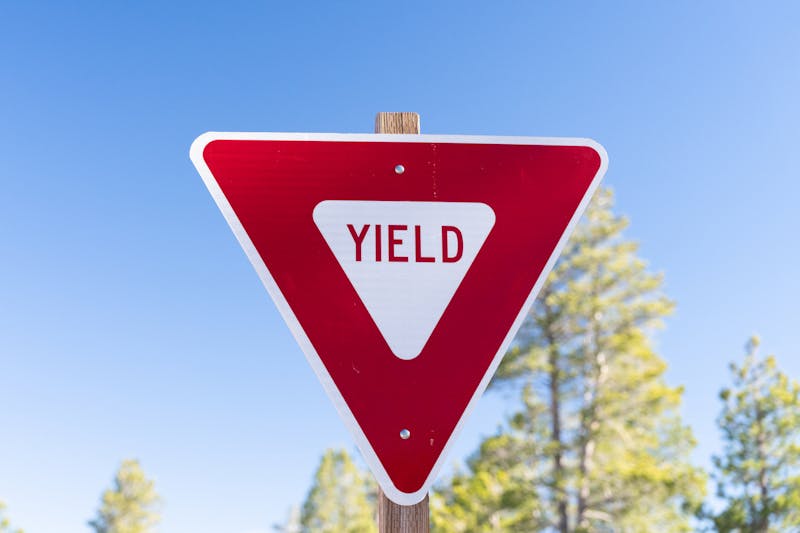
Intersections are some of the most dangerous places on Texas roads.
They require drivers to slow down, observe traffic signals, judge the speed of oncoming vehicles, and make safe decisions in seconds. When even one driver fails to yield the right of way, the result can be a devastating collision.
Failure to yield is one of the leading causes of serious intersection accidents in Texas. These crashes often leave injured drivers and passengers facing medical bills, lost income, and long recovery periods. Understanding how and why these accidents happen can help drivers stay safer and protect their rights after a crash.
What Does Failure to Yield Mean in Texas?
Failure to yield occurs when a driver does not give the right of way to another vehicle, cyclist, or pedestrian as required by law.
Texas traffic laws require drivers to yield in many common situations, including:
- Turning left at an intersection
- Entering a roadway from a private drive or parking lot
- Merging onto a highway
- Approaching a stop sign or yield sign
- Yielding to pedestrians in crosswalks
- Yielding to emergency vehicles
When a driver ignores these rules or misjudges the situation, collisions often happen at full speed and at dangerous angles.
Why Intersection Accidents Are So Severe
Two types of intersection crashes dominate injury statistics.
Side-impact collisions (also known as T-bone accidents) compromise the weakest part of a vehicle's structure, offering occupants almost no barrier against the striking vehicle. Left-turn accidents occur when drivers miscalculate speed and distance, pulling into traffic and triggering high-speed impacts that both drivers are powerless to prevent.
Common injuries from failure to yield accidents include:
Because intersections are busy and unpredictable, these crashes can also involve multiple vehicles, pedestrians, or cyclists.
Common Ways Failure to Yield Causes Accidents
Failure to yield accidents happen in many everyday driving scenarios. Some of the most common include:
Left Turn Collisions
Drivers making left turns must yield to oncoming traffic. When they rush the turn or misjudge speed, they often collide directly with vehicles traveling straight through the intersection.
Running Stop or Yield Signs
Rolling stops and ignoring yield signs are frequent causes of intersection crashes, especially in residential areas and smaller roads.
Failure to Yield While Merging
Drivers entering highways or busy roads must yield to traffic already traveling at speed. Failure to do so often leads to rear-end or side-impact crashes.
Pedestrian and Cyclist Accidents
Drivers must yield to pedestrians in crosswalks and cyclists sharing the roadway. Failure to yield in these situations can cause catastrophic injuries.
Confusion at Four-Way Stops
When drivers assume it is their turn or attempt to wave others through incorrectly, accidents can occur in seconds.
Why Drivers Fail to Yield
Most failure to yield crashes are preventable.
Common contributing factors include:
- Distracted driving
- Speeding through intersections
- Aggressive or impatient driving
- Poor visibility or lighting
- Fatigue
- Misunderstanding traffic signals or right-of-way rules
In many cases, the at-fault driver simply assumes they can make it through the intersection without slowing down.
Who Is Liable in a Failure to Yield Accident?
Texas follows a modified comparative negligence system. This means fault matters.
If a driver fails to yield and causes an accident, they are often legally responsible for the resulting damages. However, insurance companies frequently try to shift blame or argue that both drivers share responsibility.
Evidence that can help establish fault includes:
- Police reports
- Traffic camera footage
- Witness statements
- Vehicle damage patterns
- Intersection signage and signal timing
Having clear proof of a failure to yield can make a critical difference in the outcome of an injury claim.
What to Do After a Failure to Yield Accident
If you are involved in an intersection accident caused by a failure to yield, take these steps as soon as possible:
- Call the police and request an official accident report
- Seek medical attention even if injuries seem minor
- Take photos of the intersection, vehicle damage, and traffic signs
- Gather contact information from witnesses
- Avoid giving recorded statements to insurance companies without legal guidance
Early action can help protect both your health and your claim.
How McCraw Law Group Can Help
After a failure to yield accident, insurance companies will work to minimize your claim.
They'll question fault, downplay injuries, and pressure you into quick settlements that don't cover your actual losses. McCraw Law Group stops that process in its tracks. We investigate intersection crashes thoroughly, reconstruct what happened, and build cases that establish clear liability. Our team secures the evidence needed to prove fault: traffic camera footage, witness statements, accident reports, and expert analysis.
If you or someone you love was injured in a Texas intersection accident, don’t navigate the legal process without experienced representation.
Talk to a Texas Personal Injury Attorney Today
Failure to yield crashes cause serious harm.
Broken bones, traumatic brain injuries, spinal damage, and long-term disabilities require substantial compensation, not lowball insurance offers. McCraw Law Group fights for full recovery of medical expenses, lost wages, pain and suffering, and future care costs.
If another driver’s decision puts your life at risk, you deserve answers and accountability. Contact McCraw Law Group to learn how we can help you move forward and protect what matters most.
Your recovery should be your focus. Let us handle the rest.