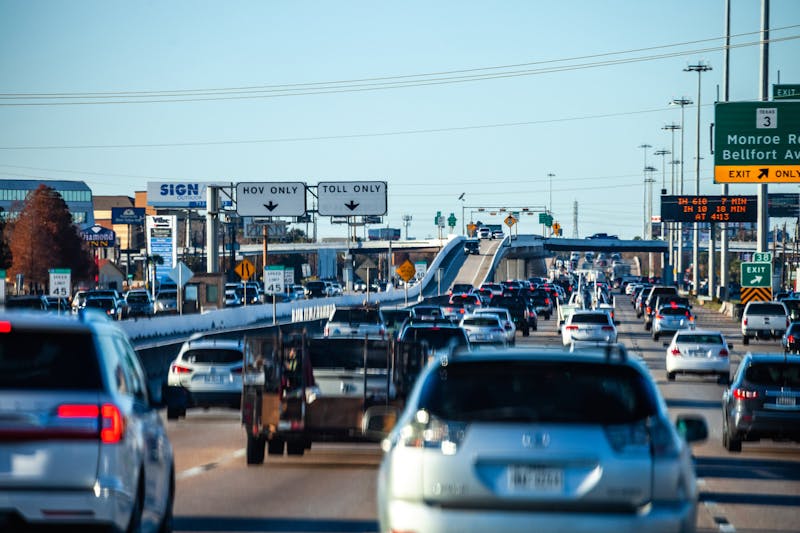
Car accidents in Denton are more common than many drivers realize. As the city continues to grow alongside the Dallas–Fort Worth metroplex, traffic volume has increased significantly, bringing more congestion, more high-speed travel, and more opportunities for serious crashes.
At McCraw Law Group, we believe that understanding real, verified accident data helps drivers stay safer and better prepared if a crash occurs.
How Car Accident Data Is Collected in Texas
All crash statistics in Denton come from the Texas Department of Transportation (TxDOT), which maintains a statewide database through its Crash Records Information System (CRIS). This system collects reports from law enforcement across Texas and compiles them into annual safety reports and datasets.
Because this data is gathered directly from official crash reports, it provides one of the most accurate pictures of roadway safety in Denton.
Recent Fatal Crash Statistics in Denton
Fatal crashes are one of the clearest indicators of roadway danger. Recent available data shows:
- 2023: 15 fatal crashes resulting in 15 deaths
- 2022: 10 fatal crashes resulting in 11 deaths
- 2021: 18 fatal crashes resulting in 21 deaths
While Denton sees thousands of total crashes each year, these fatal incidents highlight the most severe consequences of unsafe driving conditions.
Total Crashes and Injury Trends
Although fatal crashes receive the most attention, they represent only a small portion of overall accidents. Denton experiences:
- Hundreds of injury-related crashes annually
- Thousands of total collisions, including property damage incidents
- Ongoing crash trends tied to population growth and traffic volume
Across Texas, crash data shows that serious and fatal injuries are often concentrated in high-speed environments such as highways and major arterial roads.
When Do Most Accidents Occur?
Crash timing trends in Denton mirror patterns seen throughout North Texas.
Higher-risk periods include:
- Evening rush hour (around 4 PM – 7 PM)
- Late-night driving, especially on weekends
- Peak travel days, such as Fridays
Lighting conditions also play a role. In Denton, a significant portion of fatal crashes occur in dark or low-light conditions, increasing the risk of visibility-related accidents.
Where Do Accidents Happen Most Often?
Certain road types and locations consistently show higher crash rates in Denton:
- Major highways (I-35 / I-35E): High speeds and heavy traffic increase severity
- Arterial roads (US 380, Loop 288): Frequent intersections and turning vehicles
- Busy intersections: High conflict points for failure-to-yield crashes
Crash reports frequently identify intersections such as US 380 and I-35 frontage roads as locations where serious collisions occur.
Common Causes of Car Accidents
Most crashes are preventable and linked to driver behavior. The most common contributing factors include:
- Distracted driving (texting, phone use)
- Speeding or aggressive driving
- Failure to yield the right of way
- Driving under the influence
- Driver fatigue
Statewide crash analysis consistently shows that human error is the leading cause of collisions, not road conditions alone.
Types of Accidents
Based on local crash patterns, Denton sees several common types of collisions:
- Rear-end crashes: Often caused by congestion and distracted driving
- Side-impact (T-bone) collisions: Common at intersections and often severe
- Single-vehicle accidents: Frequently tied to speed or loss of control
- Multi-vehicle crashes: More likely on highways and major roads
Side-impact crashes are especially dangerous because the sides of vehicles provide less protection than the front or rear.
How Severe Are Car Accidents?
Even when accidents are not fatal, they often result in serious injuries, including:
- Traumatic brain injuries
- Spinal cord damage
- Broken bones
- Internal injuries
- Long-term disability
Many victims face extended recovery periods, ongoing medical care, and financial strain from lost income and medical expenses.
Why These Statistics Matter
Car accident statistics are more than numbers—they reveal patterns that can help drivers make safer decisions.
By understanding these trends, you can:
- Be more cautious on high-risk roads like I-35 and US 380
- Slow down at busy intersections
- Avoid distractions while driving
- Stay alert during high-risk times of day
Even small changes in behavior can significantly reduce your chances of being involved in a crash.
What to Do After a Car Accident
If you are involved in a car accident, taking the right steps immediately can protect both your health and your legal claim:
- Call law enforcement and request an official report
- Seek medical attention right away
- Take photos of the accident scene and vehicle damage
- Gather witness contact information
- Avoid speaking with insurance companies before getting legal advice
Official crash reports can be accessed through TxDOT or local law enforcement systems.
Talk to McCraw Law Group Today
Car accident statistics in Denton make one thing clear—crashes are common, and their consequences can be serious.
If you or a loved one has been injured in a car accident, McCraw Law Group is here to help. We investigate accidents, gather critical evidence, and fight to hold negligent drivers accountable.
Contact our team today to discuss your case and take the next step toward recovery.